
 Apple Podcasts
 Spotify
 YouTube
  RSS Feed
 Healer Whose Soul Intelligence Method Comes From a Life of Self Healing with Kristine Genovese | 251
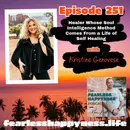
In this episode of the Fearless Happiness Podcast, host Max interviews Kristine Genovese, a healer and the creator of the Soul Intelligence Method. Christine shares her journey of overcoming childhood challenges, including growing up with an alcoholic father, and how these experiences shaped her into a healer. She emphasizes the importance of self-care, understanding energy and emotions, and the power of the mind in the healing process. Christine discusses her method of healing, which focuses on releasing stuck energy and addressing emotional wounds. The conversation highlights the interconnectedness of mind, body, and spirit, and encourages listeners to embark on their own healing journeys.
For more from Kristine:
https://soulintelligencemethod.com/home
For More From Sober Coach/Substance Abuse Counselor Max Njist, visit
Max Nijst: Welcome to the Fearless Happiness Podcast, where we showcase phenomenal individuals who have overcome serious traumas, life obstacles, and challenges to find their own path to fearless happiness. Listen as Max Naist invites guests from all around the world to share their experiences and spread strength, hope, and faith. This is the Fearless Happiness Podcast. And this is Max Naist. All right, everybody. Good morning, good afternoon, or good evening wherever you are in the world. This is Max and the Fearless Happiness Podcast, coming back to you today with another special and amazing guest who just shared a little story about playing tennis and almost like full ski gear because it was so cold. But that's the crazy weather in this United States lately, especially on the East Coast and stuff like that. So, you know, I won't say how our weather is right now because it's kind of like really nice. So But anyway, I have Christine Genovese with me today. But what I like to do, Christine, is have you introduce yourself, like who you are, what it is you do, and then you and I are gonna rock and roll. I love it. Well, thank you so much for having me. I'm excited to be here and to meet your audience. â yes, my name is Christine Genovese. It can be as Italian as you like, because my great great uncle Vito was that one, the Vito Genovese from New York City. â one of the head of the five crime families. So I always say that I'm bringing light to the name this time around. But I do come by the nickname the spiritual gangster, pretty honestly. â you know, so I am known for creating a method, a healing method called â soul intelligence. And it is a bioenergetic method that helps shift all of those things that are holding you back from living your best life up and out of the body. â and I do it in a very painless way. And I'm sure we'll go into exactly how I do it and what it is. â but that's a pretty good way to put it. I'm also the chief growth officer for a nutraceutical company called Nutritional Frontiers. And we are on the mission to make the world healthy, â physically, mentally, emotionally, spiritually, energetically, and all ways. So that's a little bit about me. I love it, Christine. I love it. And I loved how you introduced yourself, right? I know I I sorry for pronouncing it wrong, but it Like if you see well, it doesn't show on here. That's You can go Genevese 'cause that's the way we say it in New York. In Italian it's Genovese. It's all it's all good. As Italian as you want to make it. That's why I'm saying because when I watch those old crime shows, right, when they're talking about the there's some that say it diff like the way you did, some say it the other way. But it's so cool that you're on like the let's say the opposite spectrum. â you know, you bring life into the world and help your people instead of Putting those concrete â shoes on as they talk about, you know, I've heard in the program. Yeah, it's actually interesting. He â he died when I was â a year old, actually. â he died â when I was â you know, obviously a baby. â but my mom will tells tell me, you know, she told me a story of how her and her sister went to their grant great their grandmother, my great grandmother's funeral, Vita Genevese. So â she â she and her brother Vito came over on the boat together and when she passed Vito showed up with the fedora, the trench coat, and the henchmen coming to the coming to the funeral. So they remember that, you know, vividly as teenagers. Wow. I I bet you have some interesting stories. I mean we're not gonna make the podcast about that, but I mean I I gotta say I gotta say the last name comes in handy. I had a book tour in New York City in the fall. And I had made a restaurant reservation â at an Italian restaurant and it was so cool because I said, Look, I'm a little early. I don't know if you have room. They're What's your name? And I said, Christine Genovese, and they went, Genovese. I said, Yeah. We'll seat you right now. So membership has its privileges, let me tell you. Especially in New York. See, I I'm a foodie. If it came in handy for me, I'd be like, Yeah, thank you very much. I'm hungry. Let's go. Yeah, it was pretty cool. But so let's Okay, obviously that's not a big part of your story growing up with families and stuff though. But I do like to talk about the challenges that you grew up with and that helped shape who you are today as a person that got you into the work that you do. So you go back as far as you want or not, but talk about those challenges that have made you who you are today. Well, I mean, there's so many we could go to. â you know. Healer, heal thyself. Here we are. You know, most healers have to go through their own â healing journey before they can really truly help somebody else, right? So â if I think about, you know, if I go back to childhood, I grew up with â an alcoholic father. And so â whatever I did, I always had to overdo. Like I couldn't just hit the mark. I had to exceed the expectation â in order to, you know, get positive reinforcement or attention. And so I grew up, you know, st becoming an overachiever, right? Whether it was sports or academics or anything like that. And I was â my career took me to be a corporate turnaround specialist. So I would fix broken companies. Can't fix broken people. That took me a little longer to figure out, right? We can help them, but they have to be willing to help themselves. But anyway. So I would always figure out like what people or process or technology needed to move, shift â for the business to succeed, right? Right. And so Growing up an overachiever, that served me really well in business because I wouldn't just meet the expectation, I would exceed it, right? So I was sought after, it was really great, made a lot of money, and known for it. Where it failed me, you know, with that self-learning belief that I wasn't good enough, which is really where that comes from. Right. â was in the relationship side. So I would choose partners who would not do, underdo, because I would feel like I needed to overdo. â and so it was really a form of self-abandonment. If they're okay, I'm okay. And most of the time they weren't okay. So then I wasn't okay. So it took me a long time to really see that pattern, you know, and how that showed up in my personal life, where it actually served me in my work life. So that's just one example â of, you know, what I would call a self-limiting belief that showed up really as a childhood wound that was still affecting my adult relationships. And there's probably like â at least, you know, seven popular ones that I can think of â that really kind of fall in that category. You know, and it's â like you said, â healer has to go through their own, right? Like I'm in the I've been working in the addiction field for years now. And right, and I know that I can connect with the client, right, or a patient, whatever you want to call them, when they realize. Holy moly, Max has been where I've been, right? But it's and we and then in our for us, we can understand it because like it brings back I know that's me back at this time in my life, or this is me back at that time in my life, right? â and sometimes, you know, as â there's a saying, sometimes quickly and sometimes slowly, right? Some of us learn quicker than others, and I'm on the slowly side. It takes me a while, you know, and to get slapped upside the head to go, â that didn't work, right? Going doing this, right? And but you're right. Like growing up, like you said with your father who was an alcoholic, he might it's sad. What I'm hearing is he was very critical. So yeah, right. You know, when when he was dr especially maybe when he was drinking and stuff, right? So, you know, you're like, I'm gonna be the opposite, but it still right affects us in a way where we pick partners like that. You know what I mean? Like are we we hang around people. Cause that's what we're comfortable with, right? They started that narrative of you're not good enough, right? Even though it's not ours to own, but we take it on for some reason. So let me ask you, after you kind of figured this out, right? Like, how was that moment for you when you said, you know what? This is gonna stop. Like I'm gonna be the best that I can be, and I'm gonna change who I am as a person because I don't believe that narrative that I grew up with anymore. That makes sense. Yeah. Well, sure. Right. I mean, I also think we learn in layers too, right? You get sort of a surface of it and you think you've conquered it and then all of a sudden it shows up again and you're like, How did I do that again? Right? You know. So it's not always just like the one time. I wish it was just the one time and then we got it. â but I think it shows up. I mean, I would say the other thing too for me that really showed up with â having the alcoholic father too was â I remembered saying to my mom, I don't â you know, I don't like how I feel when I'm around my dad. And so I didn't realize at the time what that meant, right? I didn't know I was empathic, which meant I could feel others' emotions, right? And so it took me to be more of an adult to realize, That's why I felt that way. I literally felt like I changed when I was in his presence. Like I would feel the self-loathing. I would feel all of the, you know, discomfort and just what it what he was experiencing and, you know, the jealousy that he had for other people and all of that kind of stuff. And so I realized as a grown up, â my gosh, that's what I was doing. You know. â in terms of like when did I realize the self abandonment pattern? I mean, I think we see it, you know, I see it in my past relationships now. â you know, and and certainly cause of divorce, â you know, for me, â just because I realized I can't continue to be in that â unhealthy relationship because it's completely wrecking my life, right? And I need to learn how to take care of me. And I think that was one of, you know, one of the things I talk about all the time is like self care is not selfish, it's sacred. And so I really needed to love me. Right. And not abandon myself and learn that first before inviting anybody else to the party. I love that. Right. And this is brings up a point for me. I love that you said that, right? Because it's not selfish to take care of yourself first. Right. I don't know if you know one of my favorite podcasters and businessmen, entrepreneurs, right? Is Andy Frisella. Hmm. And because not only does he own a you know, a huge supplement company as well, but he owns multiple businesses. But I've listened to him when I first started getting on a podcast in his journey in life, right? Where he talks about like the first 10 years in business, I only made $50,000. Right. And for most people, like and you and I know like I I don't know. Probably me, I would have been like, well, that ain't working. Like I need to figure out something different to do. Mm-hmm. But I'm getting to a point what you just said and he says this very clearly. He says the best revenge on anybody or any situation or anybody that's trying to hold you back is personal excellence, right? Like learning to to do the hard things and get comfortable doing the uncomfortable and getting better each and every day. Are you gonna get perfect at it? No. He says the more you do things right, you will. Yeah. But you know, it's like David Goggin says, learn to get comfortable being uncomfortable and It took me a long time to figure that out. Like in my recovery. So like, for instance, let's say in my like I relate to years, like I was doing the same thing over and over again. You know, and I would end up in the jail cell going, God, like I got some serious bad luck here. Why does this keep happening? Right. But I I wasn't maybe or I wasn't putting together that I'm the main character in my story and I gotta change some things. Right. But You know, as I've grown in my recovery, you know, almost over 22 years now, and yeah, and even as a person in person personal development, I've learned that the best thing I can do is be selfish in a sense that I'm taking care of myself the best I can, right? Like eating the right foods, reading appropri you know, putting good things in my mind and working on my spirituality and all that stuff and having like great guests like you that actually I get to learn from, right? So that I can be the best I can be. So I can be the best husband. I can be the best father and the best grandfather. So I don't repeat. It â just kept going. Right. But I believe I I agree with you a hundred percent. You you you learn on layers, right? And but it I think it's because sometimes some of us, and I'll speak for myself, nobody else, but like I had a hard time learning the lesson because I was so stubborn, right? Like I'm gonna do it my way. Right. When when there was so many people behind me or in front of me going, Hey Max, there's a different way. I'm we're just suggesting try this way, right? But I'm so stubborn, right? I'm like that little kid that nope, I'm doing it my way. Like, don't touch that hot stove, but I gotta go touch it anyway, right? Ow. But you know, in this journey we call life, I think self-care, I You know, I I I know I hear it a lot now because of the circles I I I run with and especially my recovery. If I don't take care of myself, my recovery is not going to mean anything because I'm going to drive myself into the ground anyway. And my first go to if I'm not doing the things I need to do is to go back. You know what I mean? But what what was comfortable? So in in your learning and learning these lessons and stuff, what were some of the things I like to ask my guests is like, what were those lessons? How that you learned, let's say, and the things that made them stick for you, like where you said, right? Because you said I I mean, I've done it, I've repeated it over and over. Like if I can look back over my life and go, â if I would have went left here instead of right, I would have been okay. But maybe there was something I needed to learn, right? I I think it has a lot to do for me with like boundaries, holding, not just setting a boundary, but holding a boundary. You know, I always hear in my head. â I was a big Seinfeld fan at one time, you know, and it was about you so you can take the reservation, you just can't hold the reservation. Like it's kind of the same thing, right? You can set a boundary, but are you gonna hold it, right? Right. And and what does that even mean? And are you letting the other person know what's okay or what's not okay through your behavior? Right? Because I think when we keep moving those boundaries, you know, in terms of â allowing someone to run run all over you, right? Or putting somebody else's needs before your own. â you know, some of those wounds I was talking about before, you know, just in terms of like, â you know, like we talked about you said talked about my dad being critical, right? â criticism, right, or shame. Like mistakes felt dangerous. Like cur encouragement was really rare, right? Support was limited. And so as an adult, you might chase that perfection. Or live with that inner critic, right? And so that voice isn't motivation, it's just that memory, you know. â when we talk about, you know, struggling with boundaries, you know, this emotional enmeshment, like I talked about, like feeling the other person's emotions, right? You carried those adult emotions as a kid. So then you became the fixer, right? And your needs came last. So as an adult, you attract these emotionally unavailable people who struggle with boundaries. Because love meant losing yourself. Their needs were way more important than yours because you learned if they're okay, then you're okay. And most of the time they're not okay, you know? So you're in the spider flight. You know, or just like this whole like lack of safety, like protection was missing. So you were on hyper vigilant alert all the time, and that became normal. â and as an adult, you struggled to relax or trust or soften because your nervous system never learned what safety was, right? You grew up in chaos or instability. Your home was emotionally unpredictable. Calm felt unfamiliar. So you're always like on high alert. And that became norm. So as an adult, you sometimes confuse intensity with connection and peace with boredom. Like your body learned chaos was normal. Right. Or conditional love, right? Love was based on behavior. If you do well, I shall give you my approval. Like you have to earn my love. And so you kind of became afraid to fail, right? And as adults, that causes us to people please, overwork, right? Or fear disappointing other people. And love feels like something that has to be deserved or earned. You know, or you look at like emotional neglect, right? You're you went feeling unseen, right? You learned to take care of yourself or self-soothe, and your needs felt inconvenient. So As an adult, you might struggle to ask for help or feel lonely even when you're in connection with another person because your system learned like it wasn't safe to express your needs. You know, and â I think the biggest one for me is the abandonment wound. I think most people feel that one. You know, you learn like people leave, and you know, safety was inconsistent, maybe love felt uncertain, â loss felt familiar. â and as an adult, sometimes that causes us to overgive, right? I have to do more, â or detach or be the first one to leave in a relationship. â because your nervous system learned closeness isn't safe. And I think that's why a lot of men are afraid to commit. â I gotta get out. I don't want any of that, right? But all of those things show up from childhood in your adult life. â And so I think it's l recognizing those patterns when they show up for you so that you have the ability to shift them. You know, and the soul intelligence method is a way for me to help people shift them, even if they haven't recognized the pattern, which is kind of cool because if we start getting into the energy conversation, everybody and everything is energy. And since we're talking about childhood. We â we learned in elementary school that we are all protons, neutrons, electrons vibrating in an electromagnetic field, right? Right. We are we are all energy, okay? But we forget it because we're physical, we're corporal. â and and so we forget that we're connected to everybody and everything. So if we're all energy, that means energy can get stuck in your mental body, your emotional body, or your physical body. It can also get stuck in people, places, or things. So all of that trauma, okay, what what energy is moving through our body, emotions are energy in motion. When that energy pools in the physical body, that's what causes dis-ease or dysfunction or a dissonance in your frequency, and something shows up in the physical to get your attention to fix it. Right. And so all of that childhood stuff we were talking about. It shows up in these patterns of self-limiting beliefs, old traumas. It's stored in the body because we're energy. We're mostly water and electricity, right? People, people forget that too. And they're like, wait a minute, how do you do this work over Zoom? I'm like, how am I even seeing you over Zoom right now? Right. Right. Right. It's all energy and frequency. And it's coming to a receiver, which is either your laptop, like we. Don't think twice about, â yeah, it just streams from Netflix and shows up on my phone. Well, how does that happen? It's energy and frequency and receiver. Our bodies are the same way. The same way. Well, you know, the way you explained it makes sense to me now. Because, right, like, especially the like I'm a one of those struggle with the abandonment still, even as an adult. Even though all the work I've done, if I feel someone is gonna abandon me like I'm out first. Like 'cause I want to be the one that says you know what I mean? I feel ya. You know what I mean? And it and it's because and you know, I've I've shared it on the on on s some of my podcasts before, but like one of the big reasons I found out that I drank and used drugs was â you know, when I was a ten year old boy going turning eleven and seeing my dad for the first time after a long time. Right. And him promising, I'll be back for your birthday. I promise. Right. And so he goes back to the Philippines because he had whatever to do there. And he was supposed to come back. Right. But so this is in January. And then February comes, March, March comes and goes. No dad. And then in April I find out my dad passes of a massive heart attack. But as an eleven-year-old, I was Like when everybody was crying, I kinda stormed out of the house. Like I was like you talk about being mad. Like it this is my eleven year old head. How dare he break his promise? You know what I mean? Like I can laugh about it now, but I realized I carry that anger and that resentment for so many years. And then I wonder well, now I wonder, now I know why. Like when my lower back hurts, it started back then. That's where my stress gets stored. Like I can And it's bringing up all these memories, right? So Well, so the lower back, right? The lower back, that's when, you know, that's your safety, like your root chakra. Okay. So if we talk about seven major energy centers in the body, the root is at the base of your spine. Okay. And that is our connection to earth. That is all about safety, comfort, feeling okay on the earth plane here. And when your lower back goes out, it means your whole world's coming out from underneath you. Like it's just too much stress, you can't take it. So that's very, very telling â by you sharing that. Right. And we'll talk after because I got some questions. Right. I mean, it's still it's but you know what I mean? And I want people to understand you don't have to go through some horrible childhood, right? Like for the most part, I grew up it with a great family, a great mom. Yeah, she was strict because she was a single mother and sh yes, she And she could play dad and mom very well, right? She could play the disciplinarian. And you know, I've funny I'll tell you after that funny story about that. But what I, you know, and I used to, you know, in my process, I would go, â it was her fault, you know, before I got sober. It was my dad's fault. Everything was everybody else's fault until I learned to look in the mirror and go, I'm the only one that's going to change this, right? So I have to figure out. And and then I've learned in my journey as a counselor, too, that. People kept you're an empath, Bex, because I can see when you're working with a client, you change when they're going through a hard time. I see your face change. Like you're trying not to, but I could see your body, like you're feeling their pain. And I always wondered why that happened. I never knew that until I got into recovery and talking to people like you about being, â that's why I can feel when someone's so stressed out. Like I can feel what they're going through. Right. And I I might be having a good time, but it's like the brakes come on. â you gotta feel what they gotta 'cause you can just cause you're like gay â God gave us that gift, I guess, if you wanna say. I mean, so and for people to be relating to what we're talking about. So yeah, you know, you can â if you think about it, like you go into that stuffy cocktail party, right? And you're just like, â I don't wanna go in here or you go to that like rock concert and everybody's like vibing and so excited to see the same you can feel energy â if you if you really like tune into it. And so it's easier, I think, for people to feel energy in a crowd because it's concentrated. So like if you've not felt it or you think you haven't felt it, that's a good way to go. But it's also if you think about your stomach, â and you're about to do something that makes you really, really nervous, you might get butterflies in your stomach. Right. Or some really bad news happens, you feel like you get punched in the gut, right? Right. That is the core of who we are. And that is our solar plexus chakra. That's the third chakra. Okay. And that is all about self-esteem, how we show up in the world. That's about our relationships, not only the relationship with ourselves, but the relationship with others, which is fascinating when you start studying functional medicine and how much the gut, even Hippocrates said two thousand years ago, all health begins and ends in the gut. That's because That's where our stomach processes emotions or di you know, or doesn't, right? Or they pool, just like it processes food, stores food and processes it. That's it. That's its job. So it's really interesting like how much gut health like supports us. And, you know, when your gut health is off, how many autoimmune conditions start? How much, you know, how many things go awry in the body? And that's the first place under attack. That's the first place you feel it. So I'm sure everybody can kind of relate to that. â absolutely. I I I mean, I I get told I got a gut of steel, right? So 'cause but then there's my wife and when she get like I can tell the difference. Like I I believe what you're saying is what I'm getting at because I can see in her when her gut acts up that's something not going right with her. Absolutely. You know what I mean? Like and it's not stress. Exactly. And it's not just the food she ate, 'cause it could have been bland and But she's like, â my gut's on fire, you know what I mean? And I can feel it coming up. I'm like, You're stressed. What are you stressing about? Right. I know and but that's why people look at me like, Do you ever stress? I go, Yeah, I just hold it in. And I was just if you hear me talk about my like we talked about my No good. No good. Exact but I'm learning, right? And here, like everybody, I'm almost fifty eight years old, right? So you can teach an old dog new tricks because I'm learning from guests like Christine how to be more aware and You know, and I love that you're talking about the chakras, right? Because You know, not as â not only is this podcast about people like yourself who have come back from challenges and are resilient and now helping others, right? I want people to understand like you don't have to go to a doctor and say, I'm very anxious. Can you give me a pill? Because they're gonna be more than happy to go, here you go, right? Yeah. I'm a I'm a I'm a big proponent of people like yourself who help people through that. What do you call modality or whatever you want to call you wanna call it? Right. It's because I believe, like as I've had guests like yourself who have told me like it's kind of way cool. I sh I not not scary, but really cool because I've had guests like yourself and they said, you know what? We're basically just spiritual beings having a human experience. And then they talk about that, that electricity, that you know, the energy we have that makes us work, right? Because What shocks our heart back into rhythm? Electricity, right? Because it needs electricity if it's not beating right, right? That's why they have those D fibs. â Well, let's talk about the heart for a second since you brought it up. Okay. I'd love go for it. I want to hear it. So the heart, the Heart Math Institute measured the electromagnetic field around the heart. Okay. It's not just this random pump in our body. It has a six foot wide electromagnetic field around it. Our brains, okay, where we spend most of the time calculating, thinking, processing, you know, all that good stuff up there, strategizing, right? That has a two foot wide energy field around it. That's the problem, darn it. The heart is infinitely more powerful. That is exactly right. But that's why, you know, Neville Goddard got it right. Feelings are the secret. And I grew up in corporate America where we were told there's no crying in baseball. You can't show emotion. Right. It was all about stuffing that stuff down. And so since you brought that up, I'll just share a story. I â you know, I told you I was a corporate turnaround specialist for most of my career. So I grew up at a time where many women hit their head on the glass ceiling and I probably still have scars. â where, you know, I grew up thinking I had to do everything better than a man. Not just as good as better than. Right. Here goes that overachiever again. I'm gonna carry two cases of beer up three flights of stairs in college. Just to prove to the guys at the bar that I could do it as I was tending bar putting my throat through school. â But when I got to corporate America, it was like, no, emotions have no business here. So you had to, you know, be act like a guy, be crass like a guy, â know all the sports statistics. You know, I you I used to make fun of people that would cry at work. I'm like, wow, how disconnected from being a woman I was. And I didn't realize it at the time. Until I had a cervical cancer scare. And so, yeah. So I â I went to the OBGYN and she said, You have an abnormal pap smear, so we're gonna have to do an in office procedure. They did the in office procedure, which basically they cut you there out. And â she's like, you know, too many cells â are showing cancerous cells, so we're gonna have to do a conical biopsy. I'm like, a what? And she said, You're gonna have to go into the hospital. And we'll put you under and we're gonna have to cut your cervix. And I was like, â my God. You know, you hear the word biopsy, you hear the word cancer, and that's when you start straightening up, right? You're like, whoa. Right. So I was like, Okay, this can't be happening. But I was so disconnected from my body at the time. I'm like, I'm done having kids, just take my parts out. Who cares? And I was like, What is wrong with you? Like your body is screaming at you, right? Right. So I went to every kind of healer I knew. I used my method on myself. And â you know, I was told that I wasn't in touch with my divine feminine. Now, at the time, I didn't know what the hell that meant. You know, I was like, What does it mean? I gotta grow my hair long, do I need to wear flowy dresses? Do I have to dance? What does it mean to be in touch with your divine feminine? You know, now I think we understand the balance of masculine and feminine energy within ourselves, you know. But at the time I didn't know. And then I went to someone else, you know, who said to me, Look, you have devalued yourself as a woman for so long. The energy had to go somewhere. And I had another person, you know, an energetic acupuncturist, tell me, you know, we've just got to shift this up and out of the body. And a similar technique as what I do with soul intelligence. And someone else said to me, â you know, you â Don't worry, by the time you go in for that procedure, it's gonna be gone. And so I started to embrace what does it mean to be a woman? And I started to read about really incredible female leaders. â and you know, like people like Sekhmet, this is Egyptian goddess with like lioness hair, probably I identified, â and you know, â Isis and, you know, June of Arc and all these powerful women leaders, you know. And â I realized That women can be infinitely powerful and strong. I had always thought that they were weak. And so that's why I had pushed all of that down. And so the energy had to go somewhere. So it went to the seed of womanhood, which is the uterus, it is the cervix, and that's where we birth babies and businesses. Incidentally, â it is also for a man, the seed of manhood is the prostate. It's one of the reasons why so many men who retire. get prostate cancer because they've lost their sense of purpose, their contribution in the world. So it's kind of fascinating when you start following the energy and what your body's telling you. Right. So I went in for this procedure. I did all the things, by the way. I meditated, I prayed, I saw my cells vibrating healthy. I embraced being a woman and that women can be infinitely powerful. And I learned the lesson, right? So I go in, I get the procedure done and I will never forget the OBGYN's face because she just look shocked and she said to me, We must have cut it all out 'cause it's gone. I'm like, Yeah, we must have. Now, was it did we cut it all out? Was it all the energy work? Was it all the yes is my answer. And who cares, right? Because we fixed it physically, mentally, emotionally, energetically, period. So and I haven't had a recurrence of anything. So very grateful. I still have all my parts. So you know. I love that. But see, there's the power of the mind, right? Like I think my moment of like using that energy was my first year of sobriety because right, I feel good. I'm having touched a drink or a drug and you know, so I go to the doctor, I'm having some shoulder pain and I'm just getting my check up and they do the blood work and say, Well, your you know, your liver enzymes are elevated. You might have we think you have hep C because I was a you know, I People know I I was an IV drug user, right? At one point in my addiction. So I'm like, that's you know, that even though you know in your heart, like that could be a possibility because of my behaviors and the things I did. Of course. I still like you, I was like, â that sucks. You know what I mean? Like, â no. But I just remember praying and and you know, and and staying on the path and doing all this stuff and trying to get healthy and staying healthy, right? My first year, yeah, and you know, I'm changing. 'Cause my sponsor would say, Max, you got one thing to change. I go, Cool, what's that? He goes, Everything. I'm like, â great. Right. Really? That was it? Yeah, I go, that's it. Thanks a lot, right? That's doable. Appreciate ya. So I go to a specialist, right, upon referral from my doctor. And similar to yours, right, he goes, Well, yeah, I think you have hep C, but I want to run further tests to be sure, right? So we're gonna take this blood and we're gonna do this and come back. You know, I go back and s like you, a same thing. He goes, I don't know what happened, but you don't have it. Like there's no you may be a care, but I don't even see you being a carry. You have there's no signs of it anymore. And I'm like, and thank God, right? Because I I test every year just for that reason. And I've been negative for twenty well, this year if I test negative, it'll be twenty two years testing negative for all that stuff. You know But I a part of it is I believe too is that â meeting people like you and and knowing there's a different way to heal myself, right? Other than going and getting a pill, right? 'Cause I was on right at the time at one time in my my sobriety, I went into a severe depression. Never experienced anything like that since or before. But you know It was one of those where you barely make it to work. I was barely making it to meetings and the relationship I was the time, all they did was see the back of my head go to the room and curl up on the bed, what I called my cave, right? And and curl up in a fetal position and and not literally told my sponsor, I I don't wanna live. Like this is I don't know what I'm gonna do. And then he gave me some direction and I said, â yeah, okay. I'll do that. So I went to the doctor, right? I got put on an antidepressant and worked for ten years. But then there's moments that didn't work, right? I it wasn't bad. I wasn't going back into a depression, but I was just like there as my family would just say, You're just you're like this, Max. You're there like a straight line. What does that mean? Well, you're just you're not happy, but you're not sad. You're there. And I'm like, okay. So five years later, I've been off it and I feel better now that I can feel the ups and downs, right? I don't go into severe depression, but I do have my moments like everybody else does, right? And But my journey, you know, the the gratitude I have is like I said, meeting people like yourself that heal, you know, and teach people how to heal themselves and you know, with your help and you know, just learning all these different things and and and and you know, like doing breath work and all this stuff that I go, that's my go to now, right? Is meditation, my prayer and all that stuff and And looking forward to, you know, like today's podcast with Christy and everybody and and going, I know I'm gonna learn something different today. And it's so fascinating to me, right? Because there's proof. It's not just, you know, like when it when I first heard about this stuff years ago, I'd like, pff, you know, I didn't want to, you know, no, I don't believe this stuff, right? You know what I mean? I brush it off. Right. And then, you know, my sponsor would say, but look like look how they're doing now. Like Like he say, do your research, look at their before and after, right? 'Cause he's he's a big proponent of the twelve steps, which you know, for my recovery is I still go to meetings, but he says, and even you know, the big book of A says, look at where other people may be right, like doctors and religion and you know, spiritual, you know, people and because it's not a one size fits all. And if I can work with a client and help them find their path to recovery, then I've done my job. Not be like the old fashioned, like the hardcore old timers as they call â If you don't do it our way, you're gonna die because you're not gonna work the steps and I'm like, wow, really? Okay, you guys are mean. You know what I mean? Like I I think there's, you know, there's a lot to be said and and for it. And what I do in in my work is I try and take, you know, people's â concerns away by talking about the science, right? Why does it work? Right. Right. And And it works because it's based in a science â that was documented in the nineteen fifties called bioenergetics. And it was â documented by Dr. Alexander Lowen. And what bioenergetics says is kind of common sense to me, but if you're not physi doing well physically, then mentally, emotionally you're not doing so well either. â because you're all connected. So you talked about the pr depression. Okay, that was coming from the physical, right? The physical body, and then the mind gets depressed and you're stuck Because you're firing the same patterns every day. You're going through the same motions every day. And so you feel stuck. You're not creating any new neural pathways. So when I talk to people, I talk about look, it is neuroplasticity. We can change that. You can internally shift your body chemistry. â meditation has been shown. I mean, I'm a big â proponent. One of my mentors is Dr. Joe Dispenza and he talks a lot about the power of meditation, right? And how you can shift your internal condition for that new possibility and that it will literally change your body chemistry. And he's got studies now on his website that have been validated by UC San Diego researchers and how it works. I mean, he's even taken people to something as simple as an hour comedy show â and having them tested before and after the comedy show because their energy has gone up into a state of joy for an extended period of time. And it has upregulated their genes. And it and those were people with like, you know, I think it was â chronic â they were had prostate cancer, but it upregulated the genes to minimize what was going on with the prostate cancer. Just it's in it's absolutely fascinating when you start studying, you know, what's really going on in the body and how it's connected to your mental and emotional wellness. â my method. â is I'll just describe it really quickly. â it I basically use a book of charts and a pendulum. Okay. Okay. And which sounds a little wacko, right? Like, you know, I couldn't walk into a boardroom with a book of charts and a pendulum. Obviously, people would think I had, you know, I was lost my mind. But basically, â I'm able to do this work over Zoom and I'm able to get into your subconscious mind because that is where everything is stored. Your emotions, your old trauma, your self lean beliefs. And it's what's running the show ninety-five percent of the time. â now I'm really grateful for that, or we'd all stop breathing when we were sleeping, right? We need the subconscious mind to be doing its job. But that means you have to use five percent of your mind to try and shift what's in this 95% of the subconscious mind. And most of us don't know what's there. We don't know that, you know, our abandonment wound from childhood is what's showing up in our relationships until someone brings it to our attention or you know. You think you've healed from that divorce and then, you know, I do a soul intelligence session, like, â my God, I'm still hanging on to that. I can't believe it. I thought I worked through all of it. And so I'm able to get really, really specific and figure out what those things are that the body hasn't let go of. You might think you've let go of stuff when â it's still stuck in your emotional body or your physical body. And it's what's wreaking havoc. And so I work in the field of functional medicine and I partner with Functional medicine doctors. So once I get the energy up and out of the body that's been holding that chronic condition locked in place, then they're able to give the body what it needs in order to heal itself completely, which in the case of functional medicine tends to be a nutraceutical. So like supplements, vitamins, like healthy shakes, things like that to give the body the nutrients it needs to fight off and rebuild that immune system in particular, most of the time. Right. And We want our body to work on that optimal and and â how do I want to put electrical energy level, right? Because how many books are out there and I love Dr. Joe Dispenza, right? I mean that listen to that guy's story. He talks about he was told he was never gonna walk again. And he said, No, that's not gonna happen. Right? They wanted to do all these surgeries and he's like, Nope. I mean, talk about the power of the mind and him proving how powerful. And what you've done in not only in your own life and with the people that you have helped, right? â the mind is such a powerful thing. And I believe if we can connect the mind and the heart, right, it makes us such a better person and and and we give off better energy and we we can live a better life. â and I'm I'm speaking of this because I know I need some healing done, right? I I because as soon as you mentioned it, my brain's all, yeah. She's talking about you, Max. Right. But how did she know? How did she know? But you know, and I'm just being open with you and and the audience, right? Like there's you know, I'm the stubborn man. Well, the the power of the mind and the heart being in coherence is incredible. Right. Because that's when you're in alignment. That's when you're in touch with your mission, your vision, your values, your purpose, and you feel like you can run through the fire, right? It's right, you know, we all know IQ, right? We're all stuck in our heads. The IQ. We got that one down. EQ. We learned about, you know, how you say what you say is really important. But we gotta get quiet to hear that soul intelligence, that inner knowing, right? That allows us to really be in alignment with who we are to serve our purpose in the world. And I believe you went through what you went through so that you can coach and heal and help others, right? I really believe that's what it's all about. You and but I'm like you and I tell me if I'm wrong, but like we still have to learn and get better every day so that we can continue this journey of helping others. â heck yeah. I didn't say my relationships were perfect. I love it. â yeah, I get it. I love my wife, but I know it ain't perfect. And most of it is because of the stupid, excuse my language shit that I do, right? Without like And then always going, â I shouldn't have done you know what I mean? Like, yeah, typical male, right? Open his mouth and put his foot in there and then go, Oops, I shouldn't have done that. Well, it can be something as simple as like you wake up with a kink in your neck on like one morning. So if you feel like which side of the neck, the left side of the body is female and the right side of the body is male. So you wake up with a kink in your neck on the left side, that could mean, â I'm being inflexible with my wife or she's being a pain in my neck. Literally. So You know, it's not you slept wrong. There's something going on there. You gotta dive in. You know, it could be something as simple as that. Absolutely, right? And you said the left side is female? Yeah. Is that why my left arm is always waking me up going numb from the elbow down? Because I could Could be. There's something on there. Hopefully you have some hopefully you and I can talk after the podcast 'cause I got some questions for you, Doc. Absolutely. I this is, you know, I I knew just from our talk on, you know, matchmaker and and coming on here, I knew this was gonna be such a wonderful and amazing conversation. You know, you you killed it. And I'm so honored and grateful that you're here, right? I I'm learning so much, right? About just, you know, if if there's anything that I could teach the audience, right, â separate from Christine is just Like when Christine is talking, keep an open mind because there's so many things out there that can help us become better people. And these are one â I think one of the methods, right, that could help us grow as human beings. Even if I are we gonna be perfect? As far as I know, there's one perfect being, and that's the man upstairs. And I've learned that all I have to do is become one percent better every day, and then I I'm doing my job, right? But there was Something that I learned from a previous guest, and it all about the subconscious, right? He goes, 95% of our subconscious rules are five percent of our conscious, right? Right. And he goes, What I learned from Napoleon Hill, right? And found out the secret, even though they don't put it in, you know, think and grow rich. He goes, â huh. I I figured out the secret to help you start stepping. So you can use that 95%, you know. of your subconscious and move it into your conscious brain. He goes, Yeah, it takes time, but you can do it. And he talks about how he was stuck at a certain pay level till he was fifty years old, right? And then he started doing this practice and all his dreams started coming true, right? Because he did certain things every day to open up that ninety five percent of his conscious brain to let, you know, the subconscious Well, I have a technique as well. â and it's on my website. It's a free download. It is called the Sacred Soul Script. And it's basically reprogramming your subconscious mind with your conscious mind. But it does take practice and you got to do it every day. And it could â it it could also be, â you know, you visualizing it, writing it. And typically you write as if it's already happened with lots of feeling, because your subconscious responds to feeling and it knows no time. And I remember I was on a plane flying out to LA actually to record the Audible version of my book. My book is Healing Through Soul Intelligence. It's available on Amazon. But I was on my way out to a recording studio and I went, â my gosh, everything on my sacred soul script has already come true. I have a book tour in New York City. I'm gonna be on a Times Square billboard. I'm in a movie. I'm like about to record my book. What? Right. Everything that I had in there had already materialized. I'm like, I'm living my higher self. I'm living my sacred soul script. So there is a way for you to be able to do that and to realize those things. Yeah. And â so if anybody's interested, â you can go to my website, soul intelligence method dot com, and that's S O U L, of course. â but soul intelligence method dot com. And you can check out â my free resources that I have there. My book is also available there. You can also sign up for programs. I actually have a free event the first Wednesday of every month. It's at six Eastern that people can join if they want to have a soul intelligence experience. Although I just made it a membership program, but it's a very nominal cost for somebody to get involved. So it'll be really nice to to stay connected and â you know, what I'm really called to do is to teach other people this method. I want more people to to have this at their disposal. I want to train the trainers. I want to see this in wellness centers across the country. I you know what? I think this stuff would be good in treatment centers across the country. Absolutely. You know what I mean? Like incorporating stuff like this instead of going to a doctor every week and going, here's more medication that this will help you. Like it's driving me Crazy, Christine, but that's another conversation. And I'm so sorry. I was gonna bring up your book, but we were having so much fun. But please please talk about your book a little bit, you know, and then we can always bring you back for â part two. â and but let's let the audience know about your book. One, real quick, how it came about and then what's what can they expect in your book? Absolutely. Well, â it's called Healing Through Soul Intelligence. â this is it, and this is me on the cover, actually. â and it is a it describes the method. It talks about â you know, a lot of the different stories, â physicians and healthcare providers who I've actually helped â them personally before helping their patients â and their staff. â the forward to my book was written by a triple board certified MD who's also on Tony Robin's medical team. â and she yeah, and so she talks about how the method changed her life and her you know, family's life and her team. â her staff and and her wellness center. â I've got, like I said, so many testimonials and case studies and stories in there to to talk about the, as you would call it, the before and after. But the method is very painless. â and it's all you got to do is show up to a Zoom. That's it. Talk about compliance, right? That's all you got to do. â and then I'm able to work with someone to help them shift things up and out of the body. And it's a very painless way To release things that are holding you back, like all those things we mentioned earlier, right? And we're we're complex beings. So this it stuff comes out in layers. You know, basically the way I describe it is you go to a chiropractor for a biomechanical adjustment, you come to me for a bioenergetic one. And so essentially what that does is to help you recalibrate. And then once you, you know, feel better, you're gonna find that the people in your life feel better. â because as we talked about, everybody has an energy field around them and people pick up on it and feel that, whether you realize it or not. â you know, and so you're gonna have an impact on others. I remember I did this for â a doctor and I had helped her â you know, doing a one on one session and the next day she was like, I don't know what you did, but my husband and I had like the best conversation. He was so loving and caring. How did you affect him? And I went, It was you. Right. He is responding differently to you because you feel different. You responded different. You weren't reacting. And so she was blown away. And that was an MD, you know, like, come on. So it's pretty cool when you actually get to see this stuff in action. Well, I'm one, I'm honored you're here. And two, I'm really excited and to hear, right? I love when stuff like this works on those people that are so science like, â that stuff don't work 'cause it doesn't you know. But like you said, a lot of it is backed up by science, even though it's been based in science. It's quantum physics. It's yeah, it's bioenergetics. It's you know, people are finally starting to recognize, you know, how all of it works. Right. And, you know, like I said, we'll talk after this because I have a feeling we'll work together because like I'm on a big mission to prove my doctor at the VA wrong, like that. I can right. I have better methods than you always hand me like. I had to f I find you know, I and here's my telling on myself. I didn't want to hear him anymore say, You need to take this. So I took some gabapetin, right? Like, go ahead, prescribe it. But it's probably still in my cupboard, probably expired, right? Yeah. But, you know, I let him cross a boundary and you know, there's so we could sit here probably for another hour or so and talk about Well, we can talk about natural alternatives, â you know, to try and help help you with what the pharmaceutical piece of it is, right? Because we wanna treat the underlying root cause. So every dis-ease, every dysfunction has an underlying emotional root cause around it. There's not one. Absolutely. Well that's why And you gotta heal completely, not just one part, right? Right. And that's why, you know, this is my little I don't know, you wanna call it a little bitch or whatever you want to call it, but that's why I get mad at people that put down the twelve steps, right? Because We talk about getting to the root cause of your drinking, right? And that the 12 steps work. And a lot of times when people go, That they don't didn't work for me. I go, Well, what step did you get to? And they go, I never did them. I said, How did you know if they worked or not? Right. It's like me going to Christine and going, â your method doesn't work. Well, I don't remember you scheduling a session with me or, you know, going through this. Right. But that's why I said, like everybody out there in the audience have an open mind. Christine has just given us so much great information. You know, I hope the audience does reach out to you. I know, you know, I want to speak to you after after absolutely. Thank you. But it's it's been such a wonderful time. And now I'm gonna ask you the questions that I teasingly talk to you about. You know, okay. I I forget, but I there is three that I always remember. All right. â we're gonna start with fearless, right? Going through what you've been through in your life and on this journey. What does fearless mean to you today, Christine? And how does that show up in your life on a daily basis? Well, you know, I think when you trust yourself, you're able to eliminate fear, right? â and fear is really one of those low vibrating emotions that â really doesn't have a place in our life. It's it's down there with shame and guilt â and perfectionism. They all vibrate lower than fear. â and I also know I've lived through some pretty horrific stuff in my life. So not a lot scares me anymore. â you know, and I trust myself and I'm I'm very much grounded in my â spiritual life as well as my â you know, regular â you know, everyday work life. And â I bring the divine into everything that I do. â and so I feel like my work is sacred and â you know, I feel very comfortable not being afraid of much. I love it. Although you won't catch me jumping out of a perfectly good airplane, okay? That's just stupid. I'm not doing it. â That's funny you said that. I've done it twice. I bet you have. That's why I threw it out there. Yeah, I did it at thirteen thousand feet and my second time at eighteen thousand feet. Let me tell you. No reason for that. Yeah, if I could do it again, I would, but my wife said over my dead body, and I probably would get she does not like that. What's she so afraid I Just me telling her 18,000 feet. I could see the look in her eye, like, what? You went out. Who would do that in their right mind? You were sober when you did that? I go, absolutely. Yeah, like what the heck, man? But â yeah, that's I love it. Thank you so much for that. And so we're gonna go into the next one. And you see, I put a why in happiness, and I did that on purpose. So knowing I put a why in happiness, what does happiness mean to you? And how's that show up in your life on a daily basis? â you know what? â I do my best to find joy every day. You know, when I do my daily meditation, it's not only, you know, what could I have done different or better, but it's also about experiencing that and doing work that has meaning in the world. That's truly what makes me happy. â when you know that you've actually helped someone and you can visibly see, you know, â them change on a Zoom. From being on oxygen and being in a a recliner and labored breathing to the end pulling the oxygen out and having color back in their face. It's incredible. And there's no greater gift to me. And so doing the work I do in the world makes me happy. Yeah, you probably can't. You cannot put a price on that if you got to work. I I love it. Well, like I said, this has been a great time. Christine, I've had so much fun and learned so much from you. â but I have to ask if Again, you know, if they missed it, if the audience wants to get a hold of you, they want to purchase your book or schedule, you know, look further into working with you to get help from you, how do they get a hold of you? They can go to soul intelligence method dot com â and you can find everything about me there. You can sign up for â emails to just find out about all my programs and what I'm offering. â you can also go to Amazon to get my book. â it's available on Kindle and Audible and Barnes and Noble. â it's an LA Tribune bestseller and it's also â you know, actually it was just voted 2025 Book of the Year by Best Holistic Life magazine, and â I'm in contention twenty six as well. So pretty exciting. I love it. I love being on podcasts with fellow authors. You got one too? I love it. Well, I have two. I've released my second book â at the end of the month. It came out on the twenty eighth. Well, congrats. That's on my list of to-dos for twenty-six. So awesome. I see. I mean, that's what we push each other, right? To be better every day. That's I love doing that with people. I mean, yeah, there's a joy in doing it myself, but when I could like when I'm with a guest and they're going, Yeah, I'm gonna do that, like it just it excites me to see the the light in your eyes. You know what I mean? Because you help me go, I gotta keep getting better here. Don't get lazy, Max, because You know, I work from home and it gets really easy to get â comfortable being comfortable, if you know what I mean. Like I get it. I get it. But like I said, this has been a wonderful time, Christine. I've learned like I said, I've learned so much. I'm hoping the audience did. I hope they go out and get your book. I know I will be getting your book. â but you're not quite off the hook just yet. So I get to ask you my favorite question that I ask of all my guests, and it goes like this. Christine, what is the one piece of advice That you could give my audience to help them grow as human beings and become better people. Well, â I'm gonna use my my what I'm quoted for the most, which is self-care isn't selfish, it's sacred. And so when you choose to take care of yourself or go on your own healing journey, I want people to remember that because we're all connected, okay, we're all part of this quantum field. When you choose to heal yourself, not only are you going to impact the people around you, like I've just described, but there's something called the butterfly effect in quantum physics. And what that says is if a butterfly dramatically changes its trajectory, flight pattern, on one side of the world, it can literally cause a tsunami on the other side of the world. Wow. And the reason that is is because we're all connected. So I want you to understand when you go on your own self healing journey. You're helping raise the consciousness of the planet just by doing you. So you do you, boo. You heard it, everybody. That's what I've been saying all along. Maybe she said it better than me. You do you, boo. Like that's awesome, right? Because in the long run, that's if we can work on being better people, right? Even like I said, at one percent better every, you know, than the day before, yes, you know, than the day before, like over a year's time, right? You could actually go, wow. I started in January and now it's December. I'm three hundred and sixty five percent better than I was last year. Like what a a boost. Yeah. But you know, for me, I have the privilege of having awesome guests like Christine, right? So her and I will stay connected. You heard that, everybody. So if she reaches out and says, Yeah, he's full of you know what, because he didn't stay connected, you you guys can all get me. But this has been a great time. Again, thank you so much for being here, Christine. I've had a wonderful time and it it would definitely was an honor for me to have you here. So Thank you. â likewise, Max. I had a great time too. Thanks for having me. You're awesome. You heard her, everybody. If Christine made you think, if Christine taught you something, if Christine made you smile, and my famous, if Christine made you go, hmm, I like that. Please go to iTunes and leave a five-star review. And then come join us on my new YouTube channel where you can actually see Christine and I having this awesome conversation. So again, good morning, good evening, or good after, you know, or good afternoon or good evening, whatever order it goes in, wherever you are in the world. This is Max from the Fearless Happiness Podcast. Until next time. Are you tired of being weighed down by life's traumas and struggles? Join the Fearless Happiness Lifestyle and let us guide you toward a brighter future. Explore our past podcast episodes and get a copy of the Fearless Happiness book to ignite your inner strength. If you or someone you love is battling addiction or facing challenges related to unresolved trauma, know that we are here for you. Visit maxnates.org, M-A-X-N-I-J-S-T.org, and take the first steps toward finding your fearless happiness. Thank you for listening. This has been a production of Fearless Happiness.


